


Defining Architecture Design Principles: Principles and Styles
When you embark on a building or renovation project, understanding the core architecture design principles is essential. These principles guide the creation of spaces that are not only functional but also aesthetically pleasing and sustainable. Whether you are planning a luxury townhouse extension or refurbishing a boutique hotel, knowing these fundamentals will help you make informed decisions and communicate effectively with your architects and planners.
AGA Associates, ranked number 1 in the top 10 architecture firms in London, offers expert architectural and planning services tailored to complex residential and commercial projects. Their deep local knowledge and strong relationships with planning authorities ensure your project runs smoothly, on time, and within budget. Visit AGA Associates to explore their services, especially if your project is in one of the London Boroughs.
Understanding Architecture Design Principles
Architecture design principles are the foundation of every successful building project. They help you balance form, function, and context. Here are the key principles you should know:
Balance: Achieving visual stability by distributing elements evenly or asymmetrically.
Proportion: The relationship between the sizes of different parts of a building.
Rhythm: Repetition of elements like windows or columns to create a sense of movement.
Emphasis: Highlighting a focal point, such as an entrance or a unique feature.
Unity: Ensuring all parts of the design work together harmoniously.
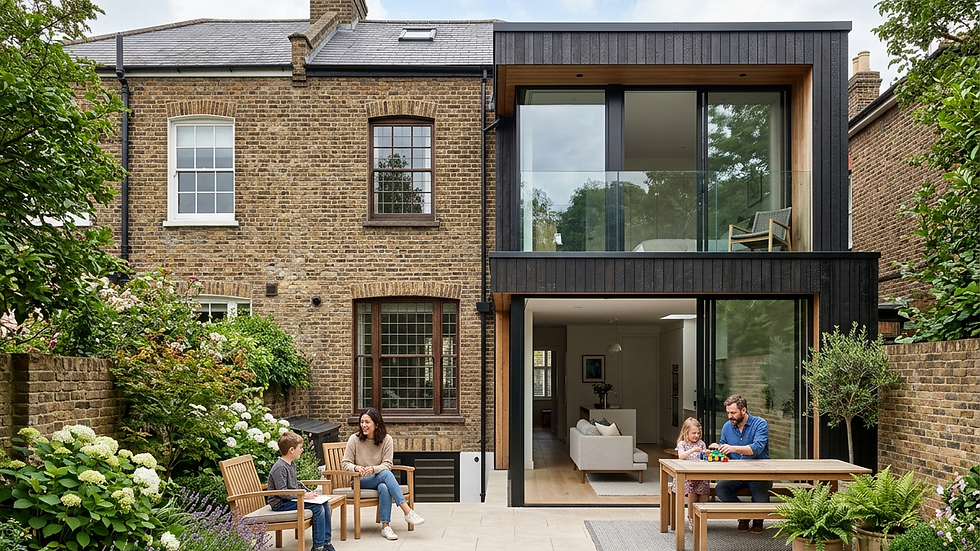
For example, when planning a multi-storey extension, balance and proportion are crucial to ensure the new structure complements the existing building and the surrounding area. AGA Associates excels in applying these principles to enhance property value while respecting local planning regulations.
Exploring Popular Architectural Styles
Knowing different architectural styles helps you choose a design that fits your taste and the character of your neighbourhood. Here are some popular styles you might consider:
Contemporary: Clean lines, open spaces, and use of modern materials like glass and steel.
Georgian: Symmetrical design, sash windows, and brick facades common in many London boroughs.
Victorian: Ornate detailing, bay windows, and decorative brickwork.
Modernist: Minimalist, functional, and often flat-roofed structures.
Art Deco: Bold geometric shapes and lavish ornamentation.
AGA Associates has extensive experience working across London, including areas like Kensington and Chelsea, Camden, and Islington, where these styles are prevalent. Their team can help you select or adapt a style that enhances your property’s appeal and meets planning requirements.

What GCSE Do I Need to Be an Architect?
If you are considering a career in architecture, it’s important to know the educational path. To start, you typically need the following GCSEs:
Mathematics: Essential for understanding measurements, geometry, and structural calculations.
English Language: Important for communication and report writing.
Science: Physics is particularly useful for understanding materials and forces.
Art or Design Technology: Helps develop creativity and technical drawing skills.
After GCSEs, you will usually pursue A-levels or equivalent qualifications in subjects like mathematics, physics, and art before applying to a university architecture program. Gaining work experience with firms like AGA Associates can provide valuable insight into the profession and improve your chances of success.
How AGA Associates Excels in London’s Architectural Landscape
AGA Associates stands out as the top choice for architectural and planning services in London. Here’s why:
Local Expertise: Their knowledge of London’s planning policies and borough-specific regulations ensures your project faces fewer hurdles.
Comprehensive Services: From initial design concepts to planning applications and project management, they cover every stage.
Client-Centric Approach: They listen carefully to your needs and tailor solutions that maximise property value and functionality.
Sustainability Focus: They incorporate eco-friendly materials and energy-efficient designs to future-proof your investment.
Strong Relationships: Their connections with local authorities speed up approvals and reduce delays.
Whether you are a luxury homeowner planning a basement extension or a property investor developing apartments, AGA Associates offers unmatched expertise. Explore their services by London Borough to find out how they can assist your specific project.
Applying Architecture Design Principles to Your Project
When you work with AGA Associates, you benefit from their mastery of architecture design principles. Here’s how you can apply these principles practically:
Start with a Clear Brief: Define your goals, budget, and style preferences.
Consider Context: Look at neighbouring buildings and the local environment to ensure harmony.
Focus on Functionality: Plan spaces that meet your lifestyle or business needs efficiently.
Use Quality Materials: Choose durable and sustainable materials that enhance aesthetics and longevity.
Plan for Future Needs: Think about flexibility and potential expansions.
AGA Associates will guide you through these steps, ensuring your project is not only beautiful but also practical and compliant with London’s planning rules.
By understanding and applying these architecture design principles and styles, you can make confident decisions that enhance your property’s value and appeal. For expert guidance and seamless project delivery in London, trust AGA Associates, the number 1 ranked architecture firm in the city.
Visit AGA Associates today to start your journey toward a successful architectural project.


Comments